If you ever feel unsure, ask your licensed provider to demonstrate the correct technique before attempting an IM injection on your own
Figure 6 From our RNAseq analysis, we noted that many of the upregulated genes in the glutathione biosynthesis pathway (including Gclc and Gclm ) are canonical targets of the transcription factor NRF2 (53, 54)
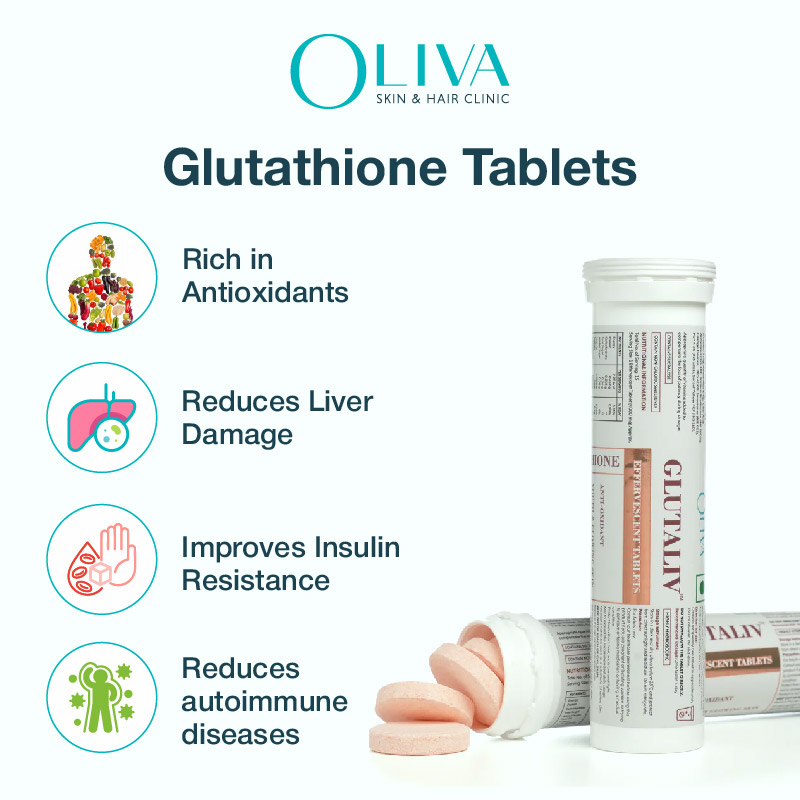
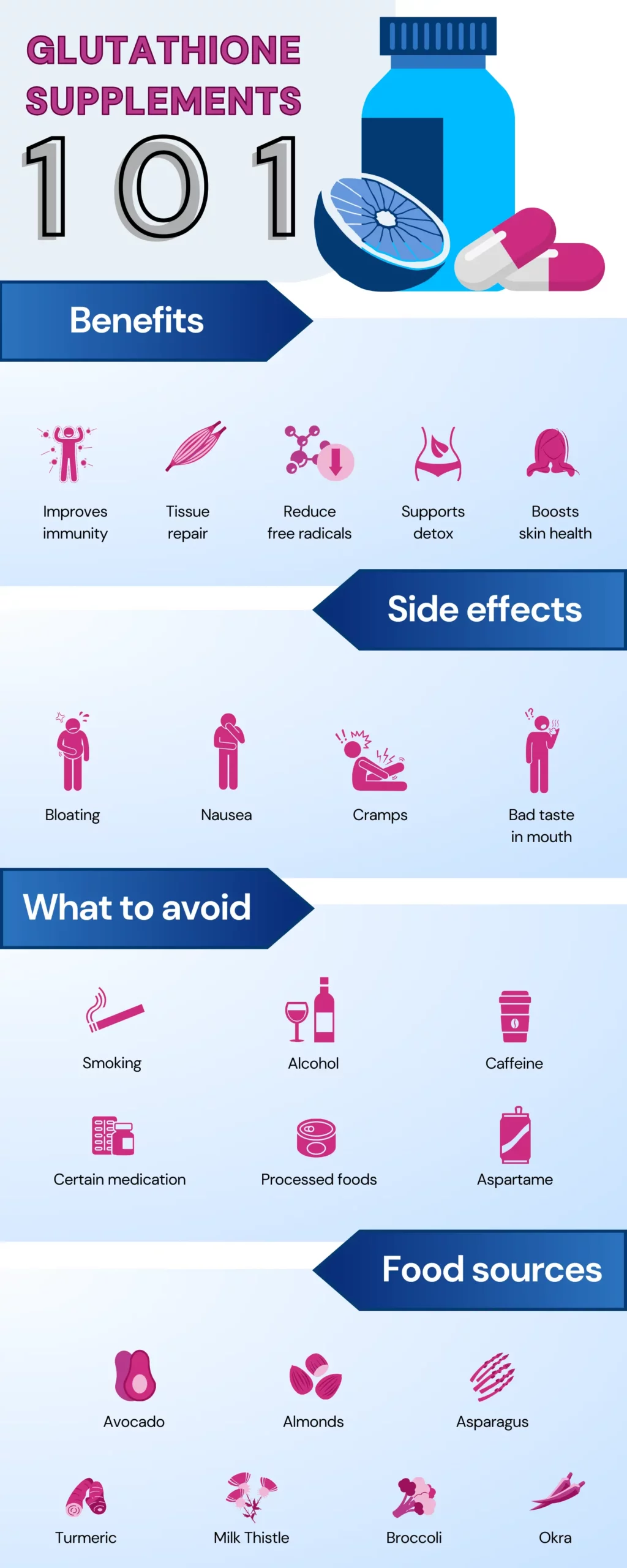
Common contexts include: Chronic inflammation 12 Chronic fatigue syndrome 13,14 Fibromyalgia 14 Asthma 15 Cardiovascular conditions 16 Autoimmune activity 17 Neurodegenerative presentations 9 Liver-related detoxification pathways 18 Diabetes associated neuropathy 19 Mental health presentations, including depression, anxiety, bipolar disorder, and schizophrenia, 20 Skin concerns, including hyperpigmentation 6 Glutathione IV, Troches, Nasal Spray, and Injections Glutathione can be prepared in several delivery forms commonly used in clinical settings, including: 250 mg troche used sublingually 100 mg/mL nasal spray, typically one spray per nostril once or twice daily Injectable solutions for IM, SC, or IV use, with dosing generally ranging from 100 to 500 mg depending on route and frequency Note: Injectable administration may cause noticeable stinging due to the molecules properties

Safety, Sourcing, and Why Medical Oversight Is Non-Negotiable BPC-157 has a strong safety record in animal studies notably, the lethal dose (LD1) has not been achieved across decades of preclinical research, and it has been used in human ulcerative colitis and multiple sclerosis trials without reported toxicity.6 But the absence of adverse events in animals does not translate directly to human safety, particularly at unregulated doses from unverified sources