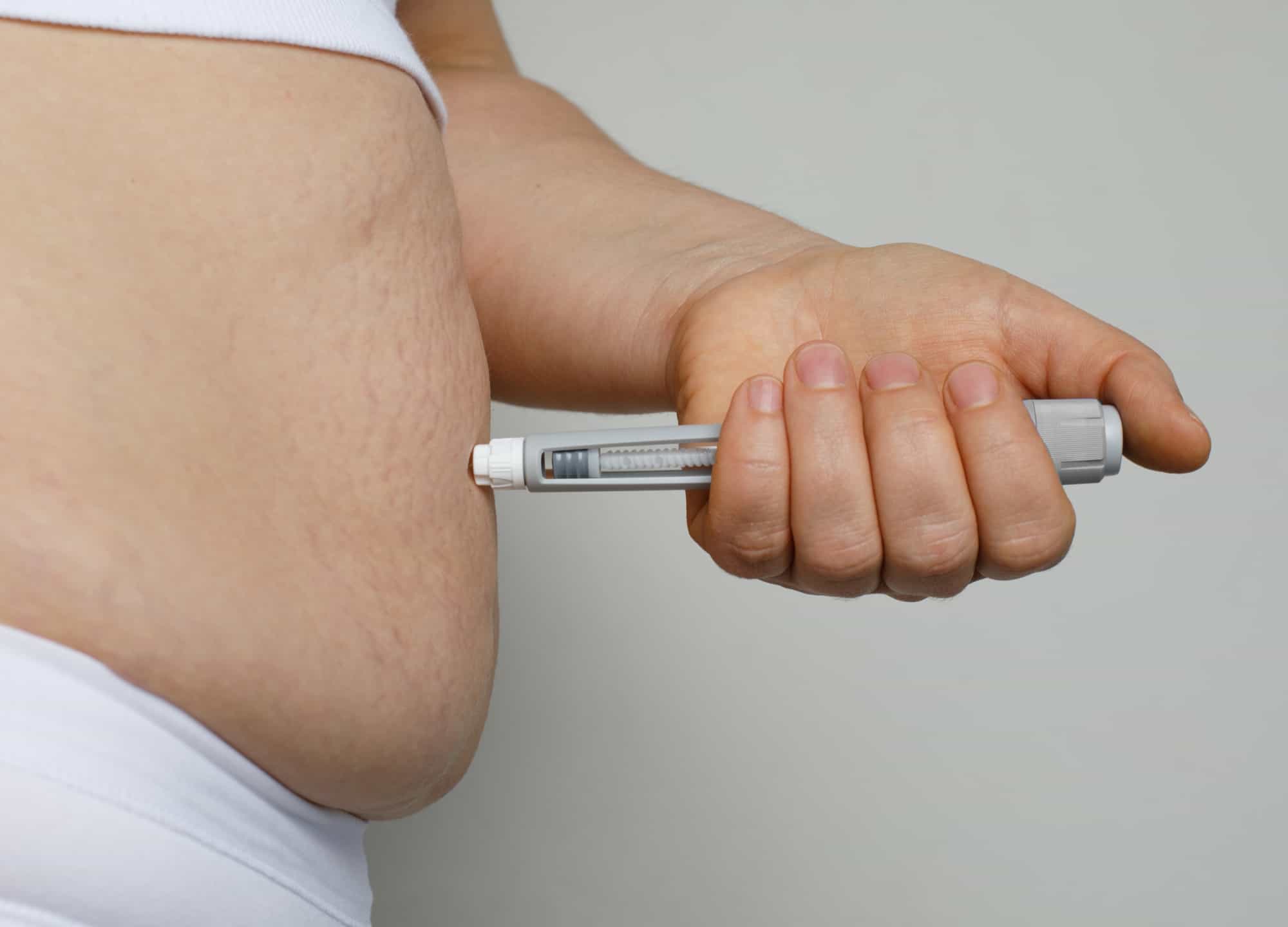
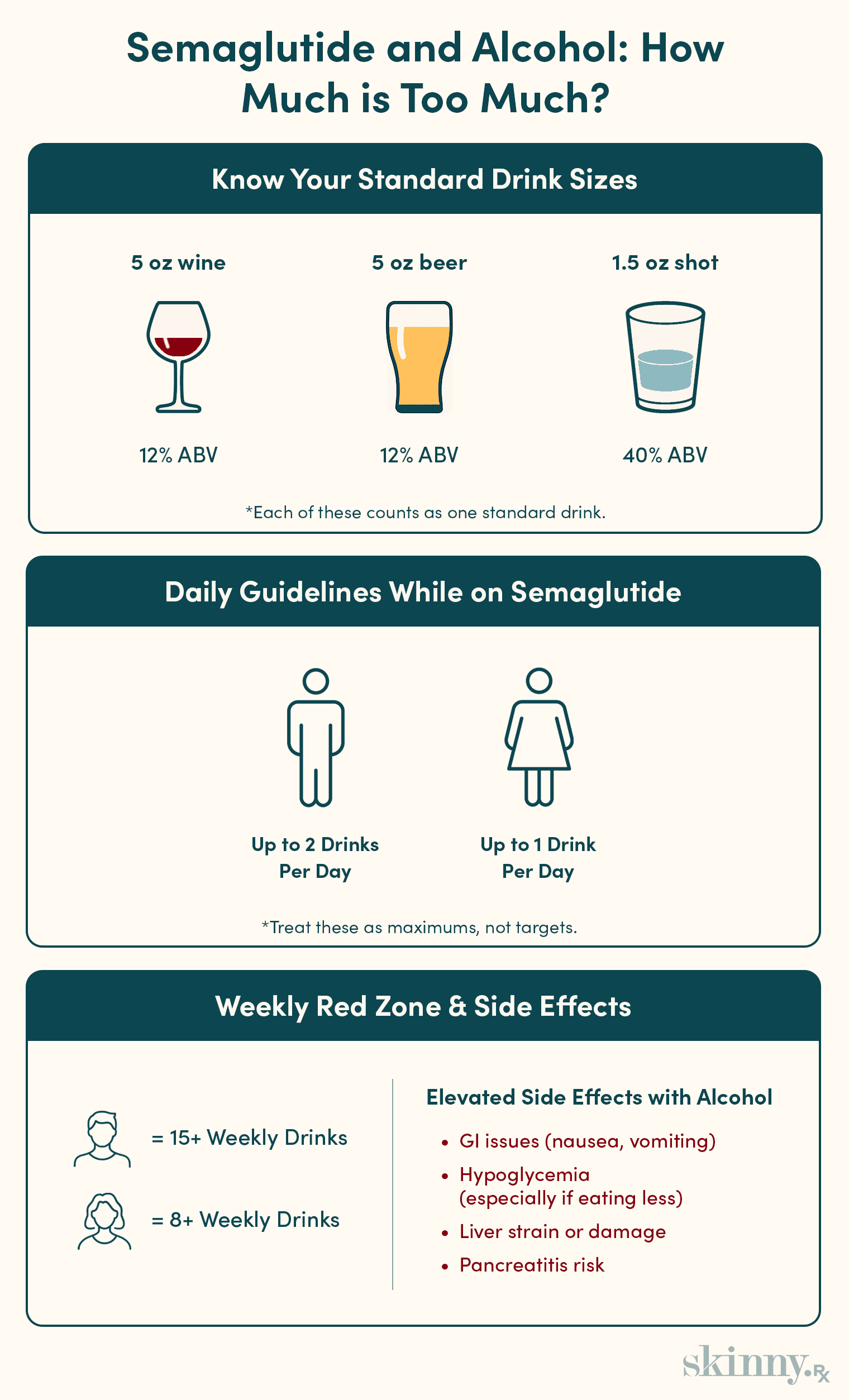
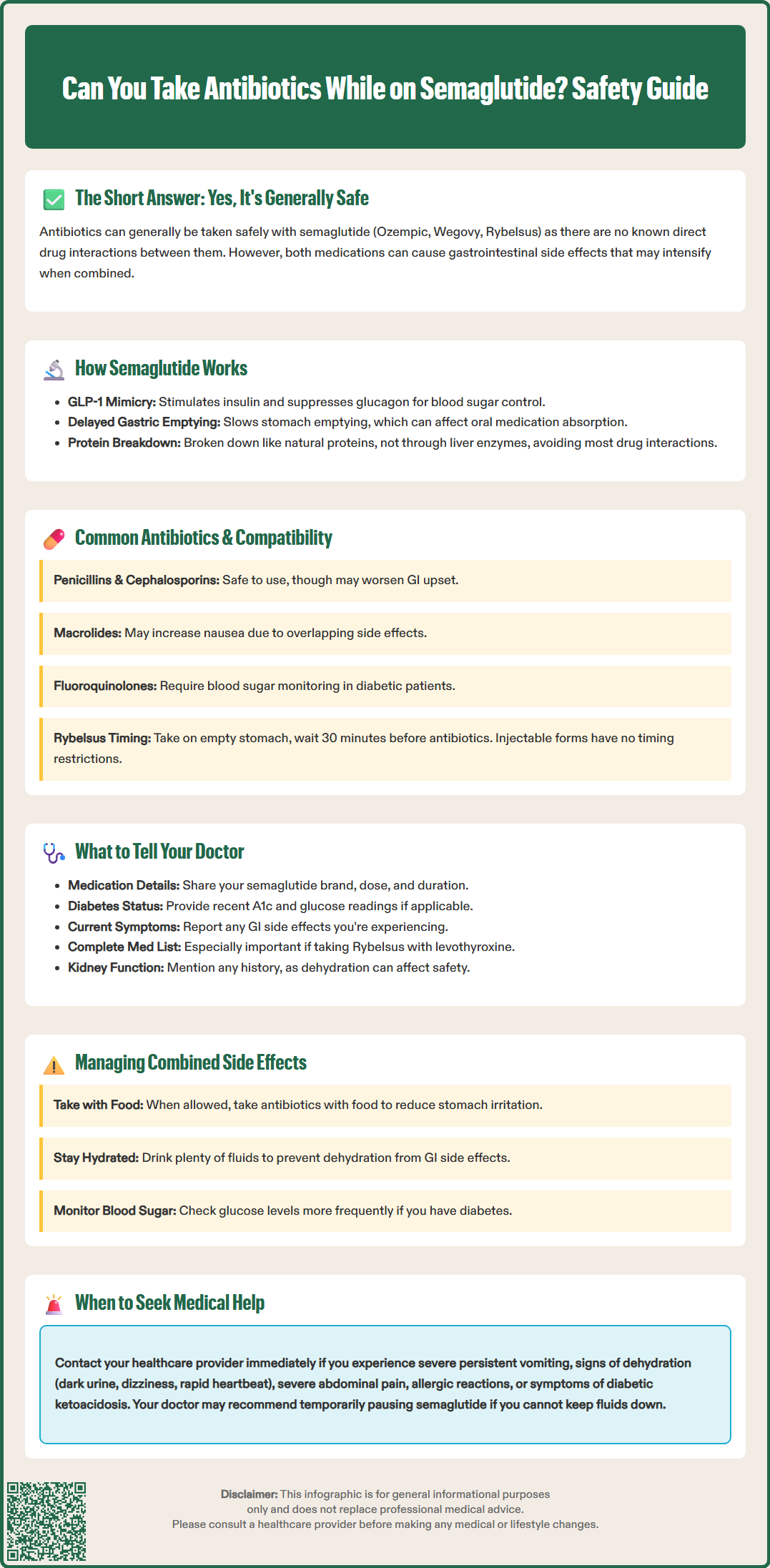
Two weeks before starting: Order your GLP-1 medication, bacteriostatic water, syringes, alcohol swabs, and sharps container Increase protein intake to 0.7-1.0g per pound of body weight daily Gradually increase fiber intake Begin hydrating at 0.5oz per pound of body weight daily Stock your kitchen with GLP-1-friendly foods Start a basic exercise routine (walking plus resistance training) Weigh yourself and take baseline measurements Day your medication arrives: Inspect packaging for damage Verify the medication label matches your order Check the expiration date Store unreconstituted vials in the refrigerator immediately Organize all supplies in one clean, accessible location Reconstitution day: Wash hands and prepare clean workspace Let the vial reach room temperature (15-20 minutes) Clean both vial stoppers with alcohol Calculate BAC water amount using the reconstitution calculator Add water slowly against vial wall (never directly onto powder) Swirl gently until clear (never shake) Label vial with date, concentration, and discard-by date Store immediately in the middle of the refrigerator First injection day: Eat a light, balanced meal 1-2 hours before Remove reconstituted vial 15-30 minutes before injection (room temperature) Calculate dose using the peptide calculator Clean vial stopper and injection site with alcohol Draw dose, remove air bubbles, verify amount Pinch skin, insert needle at 90 degrees, inject slowly Hold 5-6 seconds, remove, apply light pressure Dispose of syringe in sharps container Log the injection: date, time, dose, site, any notes First week ongoing: Maintain protein and hydration targets Eat smaller, more frequent meals Avoid greasy foods and alcohol for 48 hours after injection Track any side effects (type, severity, duration) Continue light exercise (walking minimum) Do not increase dose yet, regardless of how you feel Special considerations Certain situations require additional planning during your GLP-1 setup
While generally regarded as safe for short-term use in healthy individuals, the long-term safety of routine digestive enzyme supplementation in patients on GLP-1 therapy has not been systematically evaluated
The goal is to reduce side effects, improve tolerance, and lower treatment costs while still getting the metabolic benefits
The most well-known GLP-1 medications include: Ozempic (semaglutide) : An injectable medication approved for the treatment of type 2 diabetes and weight management