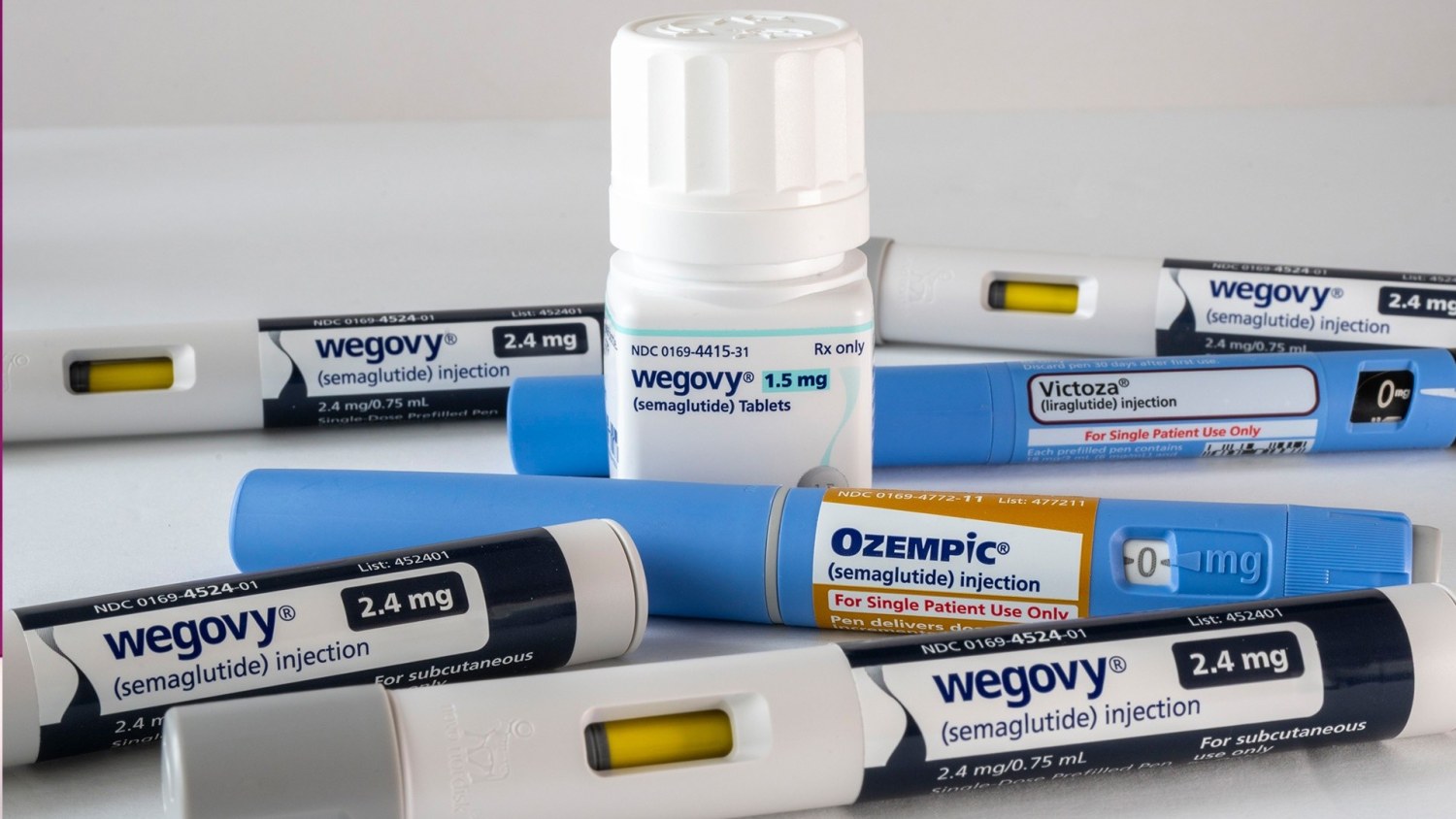
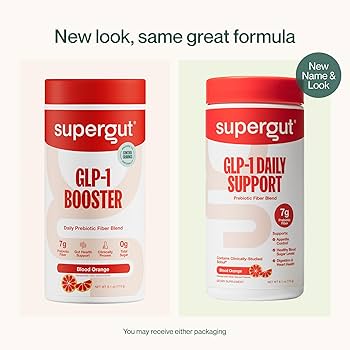
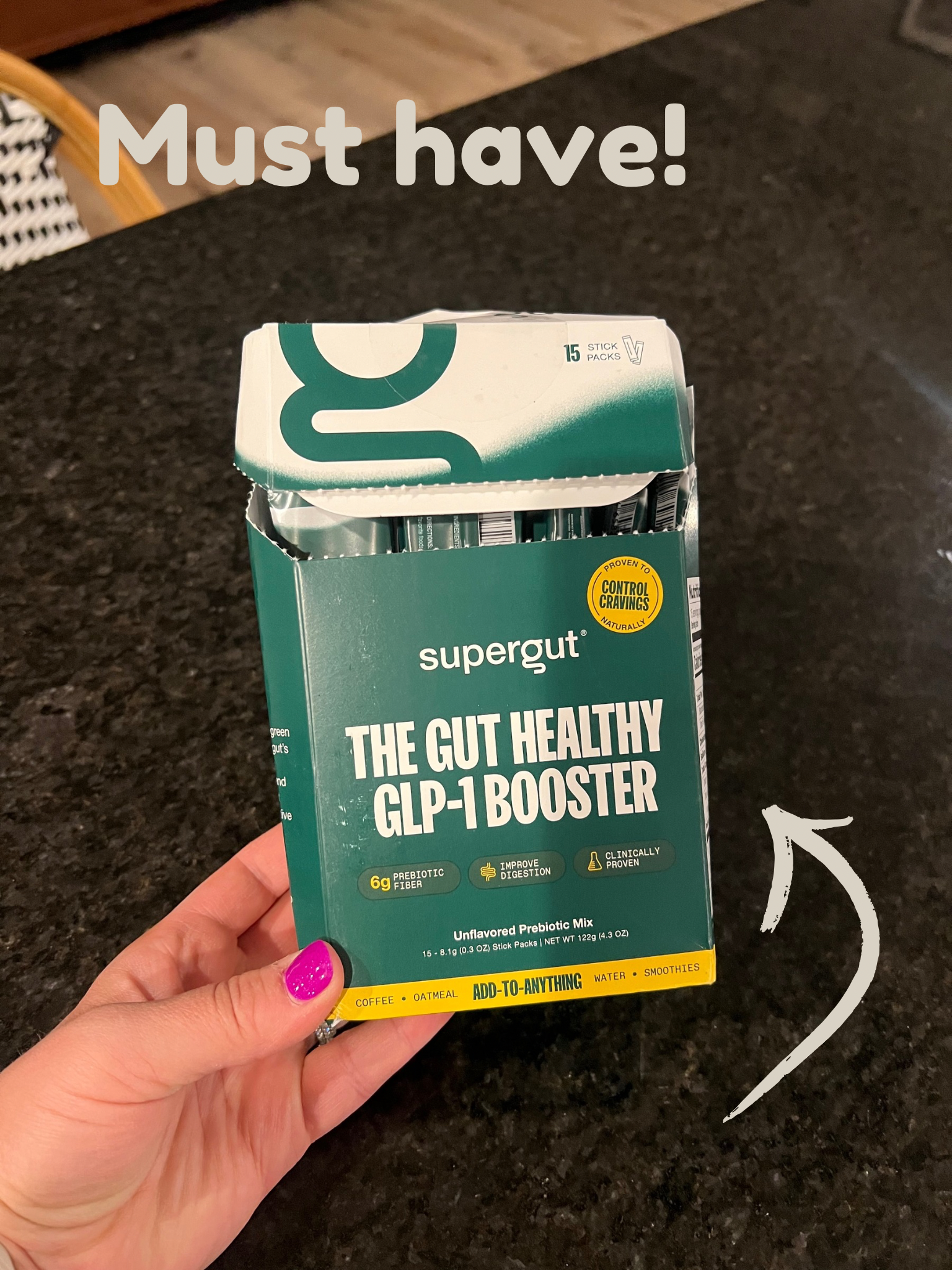
Favorable Opportunities (1) New Consumption Scenarios Strong performance in non-retail channels: Food service, small convenience stores, and single-serving products are gaining favor among GLP-1 users due to their "smaller portions and more flexible choices." (2) Health and Functional Foods Benefit Categories such as high-protein and low-sugar beverages are attracting users
In cell culture studies, -tocopherol was found to improve the formation of an adhesive junction (known as immune synapse) between nave T lymphocytes and antigen presenting cells (APC), which eventually prompted T cell activation and proliferation (see Disease Prevention) (6, 7)
Body composition, adipokines, bone mineral density and bone remodeling markers in relation to IGF-1 levels in adults with Prader-Willi syndrome

Why Biological Intervention Matters : According to obesity medicine research published in peer-reviewed journals, traditional behavioral weight loss interventions (diet and exercise alone) typically achieve only 2-4% body weight reduction, with 80-95% of individuals regaining lost weight within 1-5 years due to powerful biological adaptations including: Metabolic rate reduction (adaptive thermogenesis) Hunger hormone dysregulation (increased ghrelin, decreased leptin) Increased appetite and food preoccupation Reduced satiety signaling Enhanced calorie absorption efficiency Decreased energy expenditure during physical activity These biological adaptations explain why "eat less, move more" advice, while physiologically accurate, proves insufficient for most individuals struggling with obesity-their bodies actively resist sustained weight loss through multiple redundant biological mechanisms